LINDERA BENZOIN ACORN FARMS

NORTHERN SPICEBUSH
LINDERA BENZOIN

Lindera Benzoin

photo copyright Acorn Farms Inc
LINDERA BENZOIN
Genus: LINDERA
trademark info Protected Series:
Height: 6-7 Feet Tall
Spread: 6-7 Feet Wide
Color: yellow flower
Part Sun Shade Plants
Part Sun Shade Deciduous Shrub Plants
Deciduous Shrub
Zone: 4
#1042  
            native *  fragrant *


NORTHERN SPICEBUSH


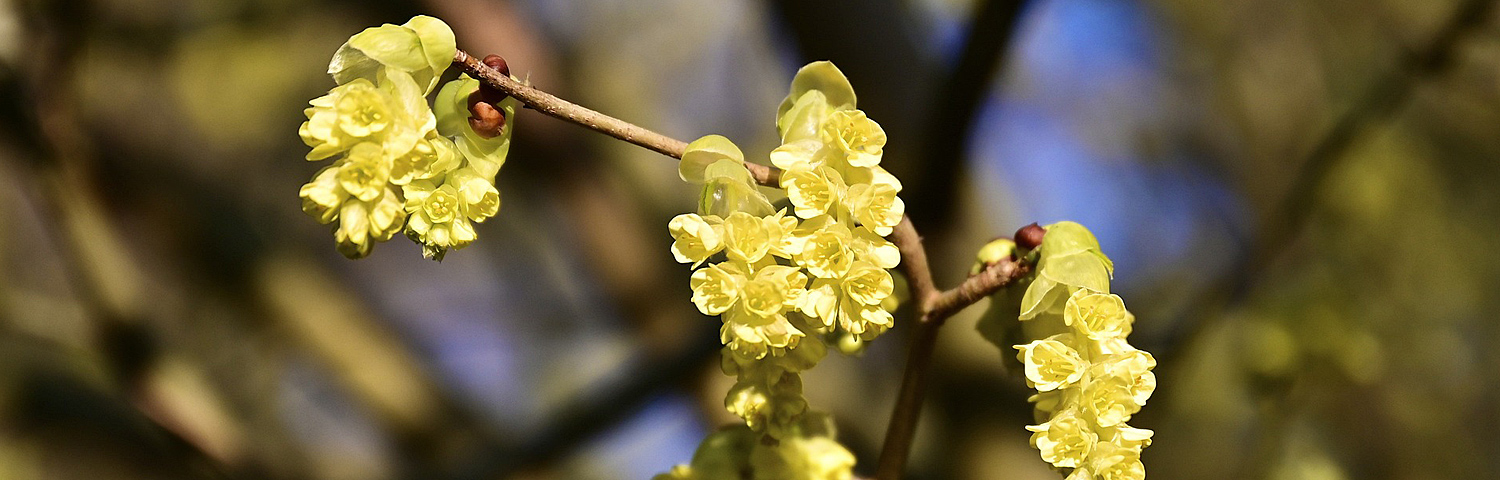
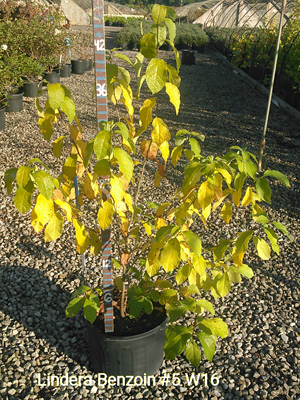
Lindera Benzoin is commonly referred to as Northern Spicebush. It is a small, native, deciduous shrub that prefers moist, wooded locations. It features glossy green leaves and slender, light green branches that are covered with yellow flower clusters in April before the leaves emerge. Its stems and leaves are aromatic when crushed. Flowers are followed by fragrant red, fleshy fruit. Foliage turns an attractive golden yellow in fall.

Northern Spicebush thrives in partial sun in moist, sandy, well-drained soils. It is ideal for any wetlands, shady, woodland area.


PLANT SIZE TYPE GALENA ADD'L DIG SOON
LINDERA BENZOIN con 315-18 in13000

Current inventory will be listed above this line. This plant will not be in the cart if there is no Galena stock listed. Contact Sales Rep for details. |

KEY:
con = containers - available now
Galena = Above ground and available now
Additional = Remote location, call rep. Not in Shop.
Dig = Still in ground, call rep. Not in Shop (in orange).
Soon = Coming soon, call rep. Not in Shop.

(BBnPOT - formerly known as GRSTART - are B&B put into a container - they are available now)


Planting Tips

To help this plant settle in and thrive, we recommend these standard planting practices: Plant in deep, fertile, moisture-retentive soil with a slightly acidic pH, selecting a location in partial shade to full shade. While it can tolerate sun if the soil remains consistently moist, this native shrub performs best in woodland-like settings where it is protected from intense, drying heat and wind. Ensure the root zone stays consistently hydrated during the first few growing seasons until the plant is fully established. Prune only as needed, ideally immediately after flowering, to remove dead or damaged branches and maintain its natural, spreading form. Since this shrub develops a loose, open habit, avoid heavy shearing to preserve its characteristic architectural style.


AVAILABLE VARIETIES: