 Protected Series:
Zone: 5
Protected Series:
Zone: 5HEART THROB® CHINESE DOGWOOD
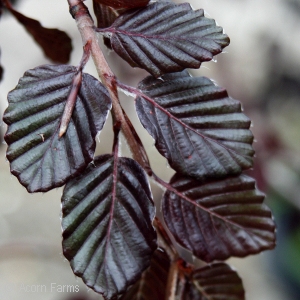
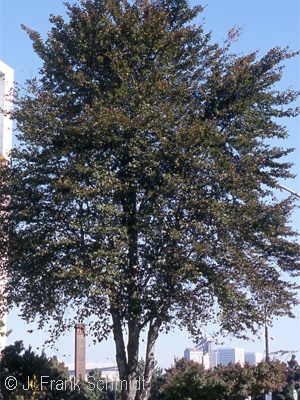
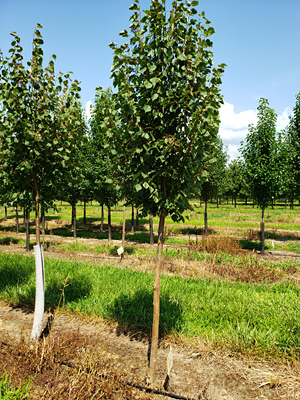
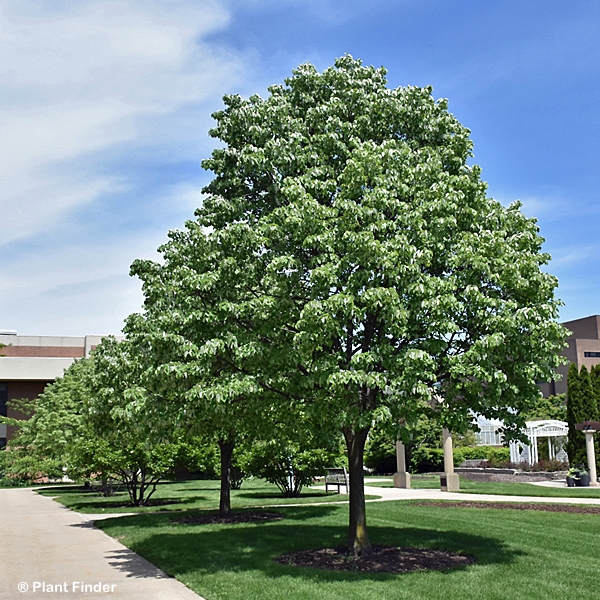
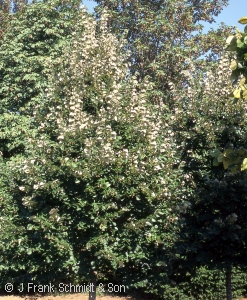
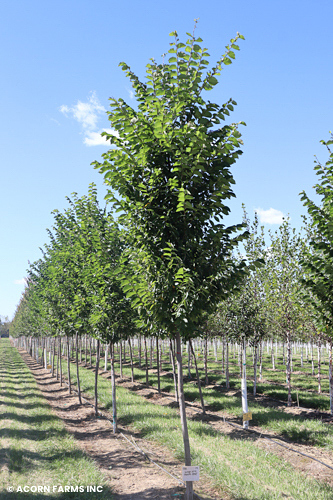
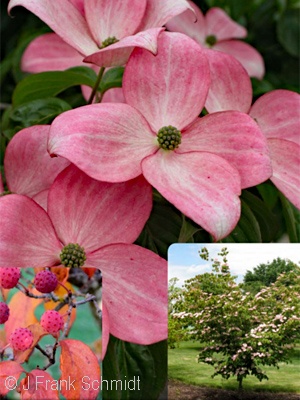
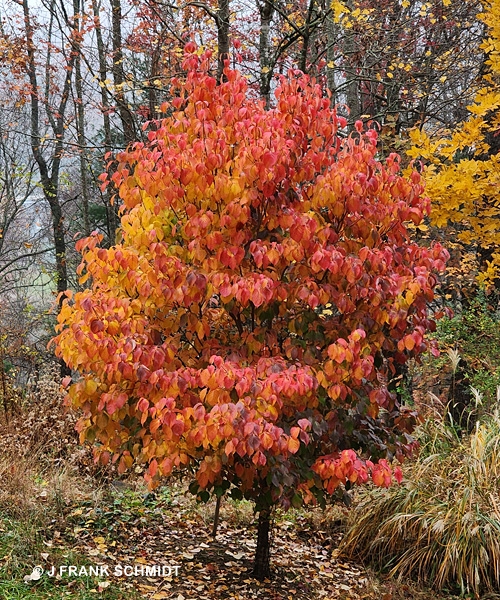
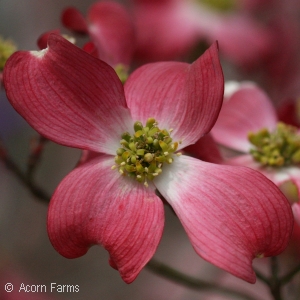
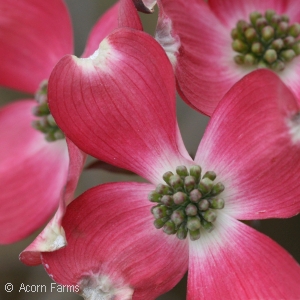
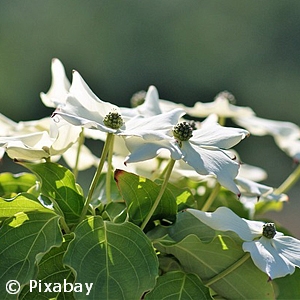
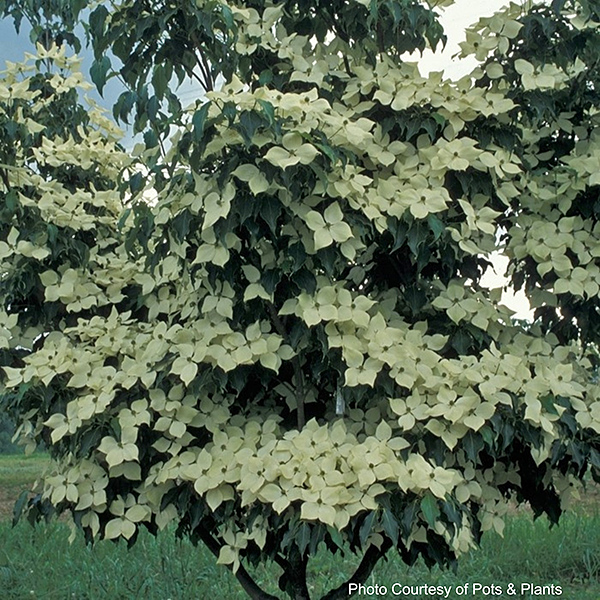
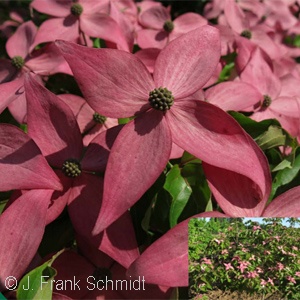
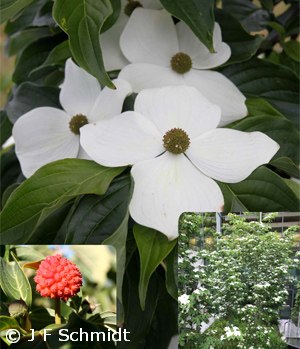
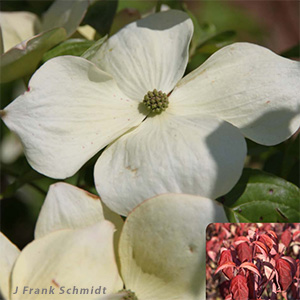
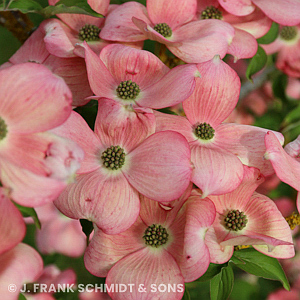
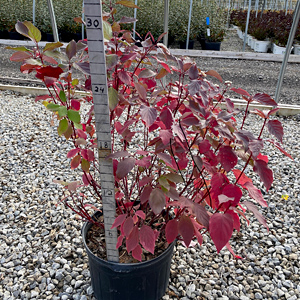
The Heart Throb® Chinese Dogwood is a unique flowering dogwood that has a compact, rounded habit with ovate, pointed, blue-green leaves that turn deep red-burgundy in fall. In spring, large dark rose-pink flower bracts unfurl and last for one to two months - longer than other varieties. Raspberry-like fruits appear in late summer/fall that attract all kinds of wildlife. Exfoliating bark on mature trees add winter interest.
| PLANT | SIZE | TYPE | GALENA | ADD'L | DIG | SOON |
Current inventory will be listed above this line. This plant will not be in the cart if there is no Galena stock listed. Contact Sales Rep for details. | Click for Availability column key & information.
To help this plant settle in and thrive, we recommend these standard planting practices: Plant in full sun to partial shade; this species is more sun-tolerant than other dogwoods. Ensure soil is well-draining, rich, and slightly acidic. When planting, keep the root flare visible at the soil surface; never bury the trunk. Water deeply and consistently during the first two growing seasons. Pruning is rarely necessary; only remove dead, diseased, or crossing branches in late winter or early spring.
ALSO AVAILABLE:




★ ON SALE ★