
 Protected Series:
Zone: 4
Protected Series:
Zone: 4GALILEAN® CHINESE DOGWOOD
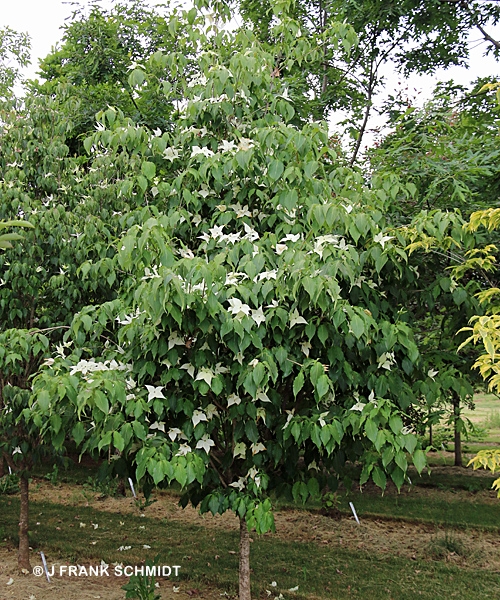
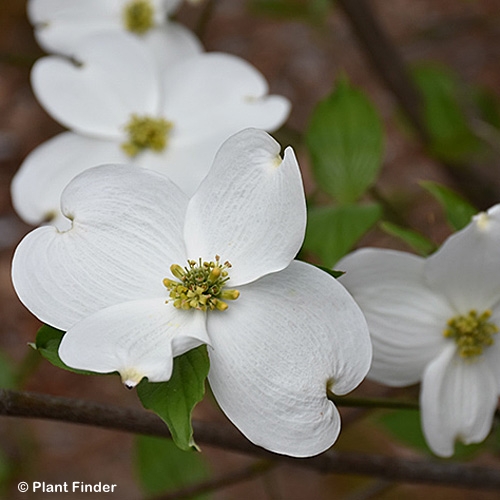
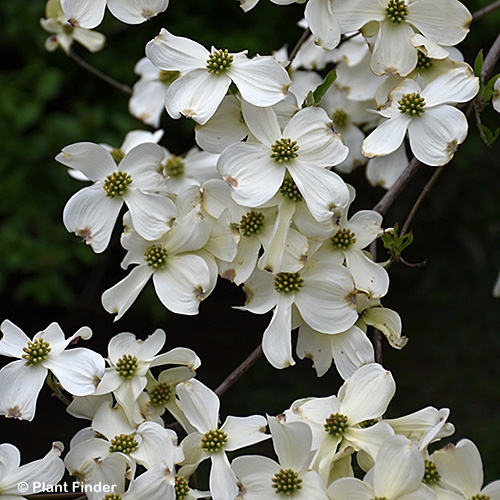
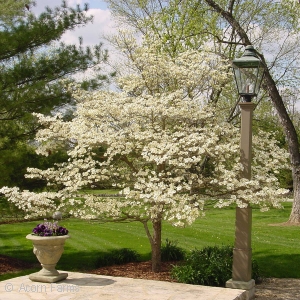
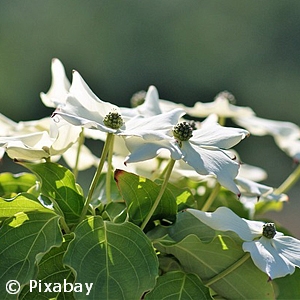
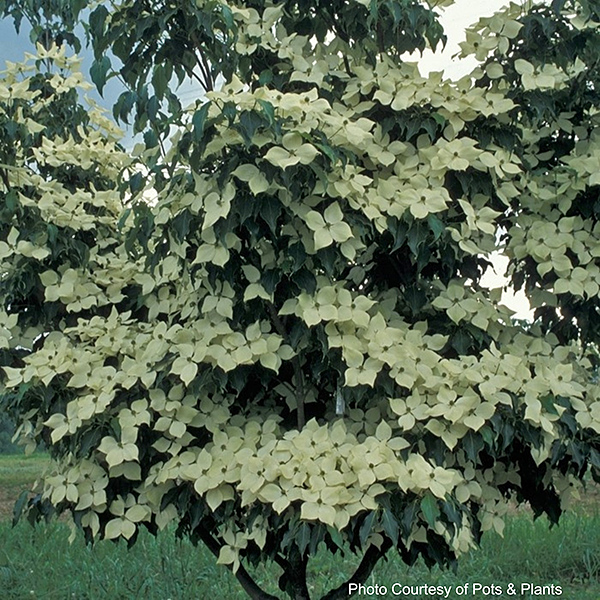
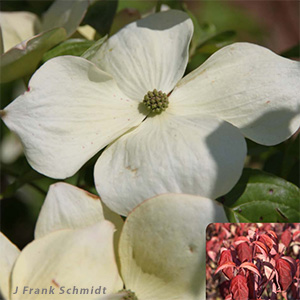
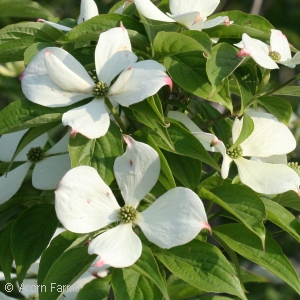
Cornus Kousa 'Galilean' is commonly referred to as Galilean® Chinese Dogwood. It is a multi-stemmed, deciduous tree that is quite space-saving with a mature height of 20-25 feet and a spread of only 15 feet wide. It is noteworthy for being an early bloomer with larger white blooms than other Chinese dogwoods. Flowers attract bees, butterflies and other beneficial pollinators. Its large, dark green, pointy leaves emerge in spring and turn an attractive yellow-orange in fall. Songbirds love the red berries of late summer. They resemble large strawberries and are quite attractive, adding to fall and winter interest.
Galilean® Chinese Dogwood thrives in full sun to partial shade in acidic, evenly moist, well-draining soils. It is ideal as an accent tree or shade tree.
| PLANT | SIZE | TYPE | GALENA | ADD'L | DIG | SOON |
Current inventory will be listed above this line. This plant will not be in the cart if there is no Galena stock listed. Contact Sales Rep for details. | Click for Availability column key & information.
To help this plant settle in and thrive, we recommend these standard planting practices: Plant in full sun to partial shade; this species is more sun-tolerant than other dogwoods. Ensure soil is well-draining, rich, and slightly acidic. When planting, keep the root flare visible at the soil surface; never bury the trunk. Water deeply and consistently during the first two growing seasons. Pruning is rarely necessary; only remove dead, diseased, or crossing branches in late winter or early spring.
ALSO AVAILABLE:




★ ON SALE ★