 Protected Series:
Zone: 3
Protected Series:
Zone: 3MARY WASHINGTON ASPARAGUS
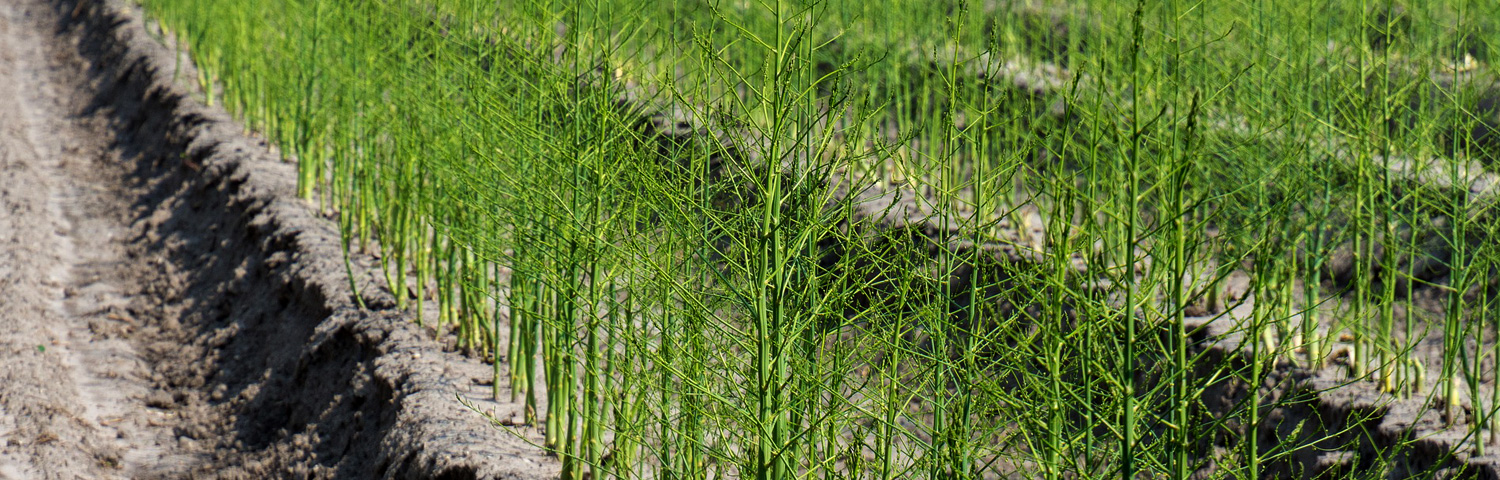
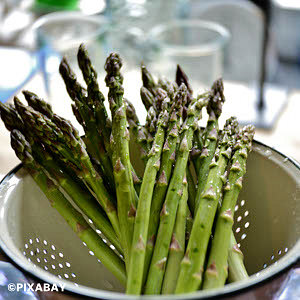
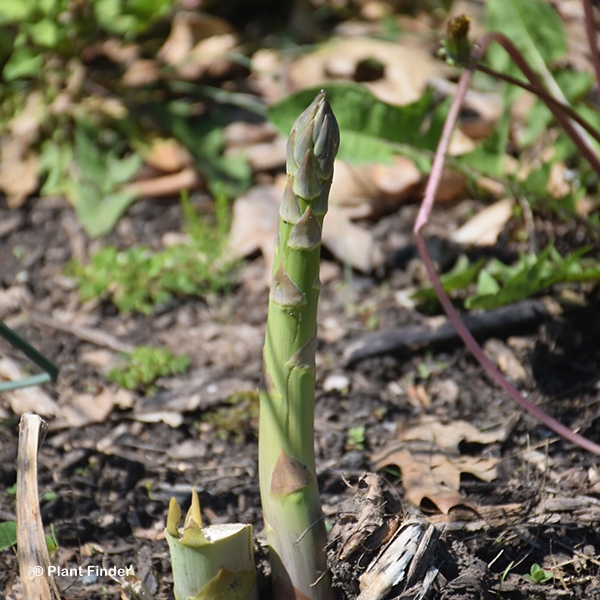
Asparagus officinalis 'Mary Washington' is commonly referred to as Mary Washington Asparagus. This herbaceous heirloom perennial vegetable is easy to grow and care for. It produces male or female edible spears which are harvested from April through May - earlier than other asparagus varieties. After harvest, the plant grows tall fern-like foliage before it dies off after autumn's frost. It goes dormant during the winter months.
Mary Washington Asparagus has superior flavor, reliability and extra-long cutting period. It is resistant to some rust and blight and produces heavily for many years. 60-day cutting season. It thrives in full sun in rich, fertile, evenly moist, well-drained soils. Roots take 2-3 years to produce a crop. Plant roots in early spring in a weed-free bed.
| PLANT | SIZE | TYPE | GALENA | ADD'L | DIG | SOON |
| ASPARAGUS MARY WASHINGTON | con 2 | 38 | 0 | 0 | 0 |
Current inventory will be listed above this line. This plant will not be in the cart if there is no Galena stock listed. Contact Sales Rep for details. | Click for Availability column key & information.
To help this perennial thrive, we recommend these standard planting practices: Plant in loose, deep, fertile, and well-draining soil, selecting a location that receives full sun. Because asparagus is a long-lived perennial, choose a permanent site where it will not be disturbed for many years. Proper soil preparation is essential, as the crowns require space and nutrient-rich conditions to produce consistent spears. Ensure the soil pH is neutral to slightly alkaline, and avoid sites where water pools, as standing water can cause the crowns to rot.
Provide consistent water during the first season and during dry spells in subsequent years to support root health. Keep the bed free of weeds, as they compete aggressively for nutrients. In late winter or early spring, cut back the dead, brown ferns to the ground before new growth emerges, and apply a fresh layer of organic mulch to conserve moisture and suppress weeds, ensuring the material does not bury the developing crowns.
ALSO AVAILABLE:
★ ON SALE ★