 Protected Series:
Zone: 5
Protected Series:
Zone: 5TSUMA GAKI JAPANESE MAPLE
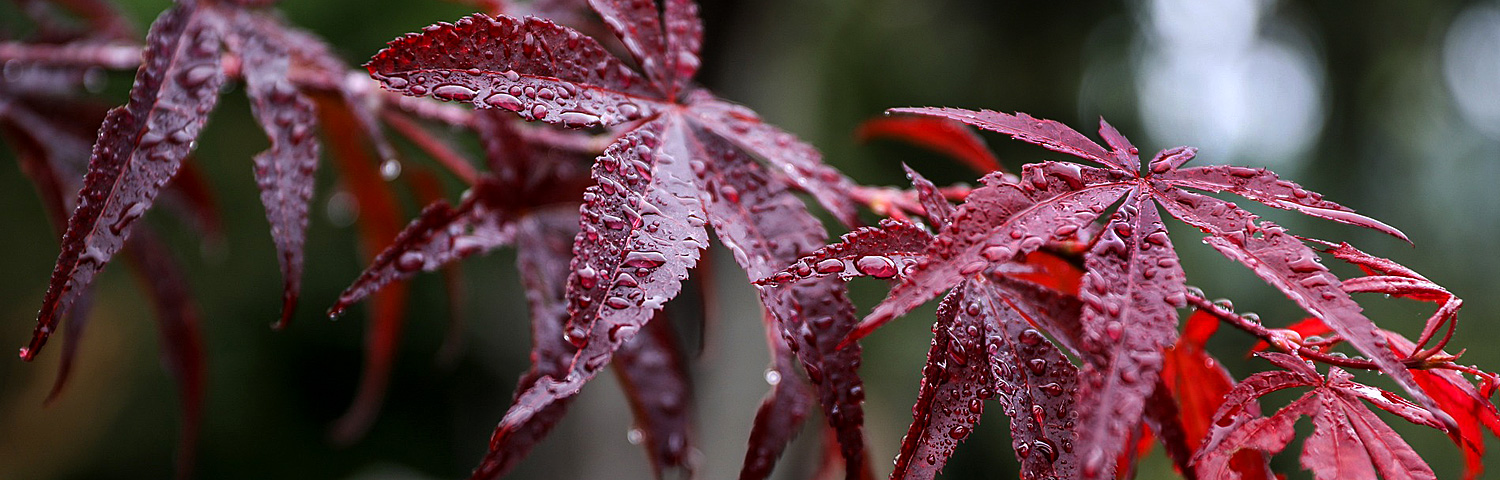
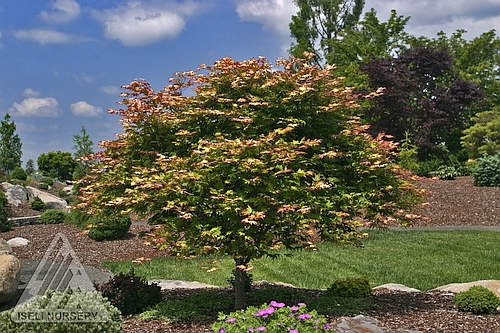
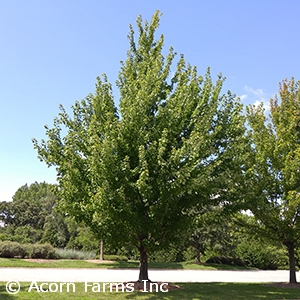
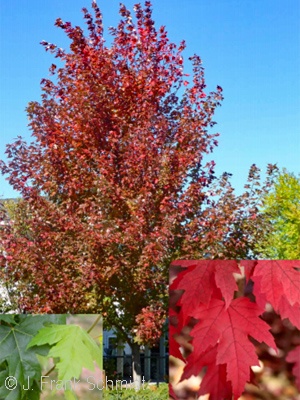
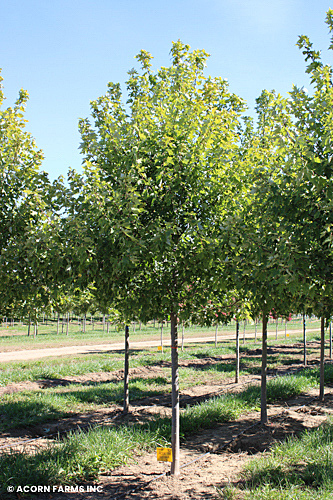
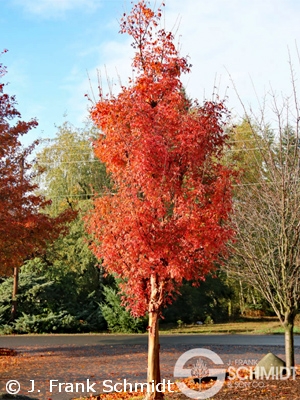
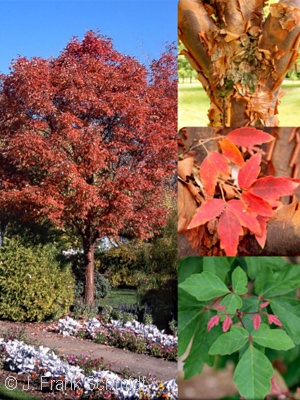
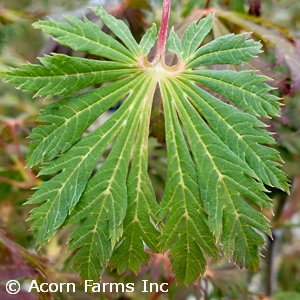
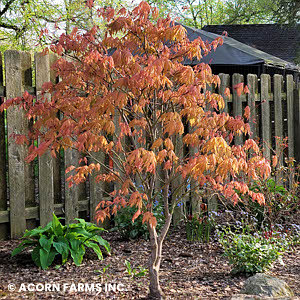
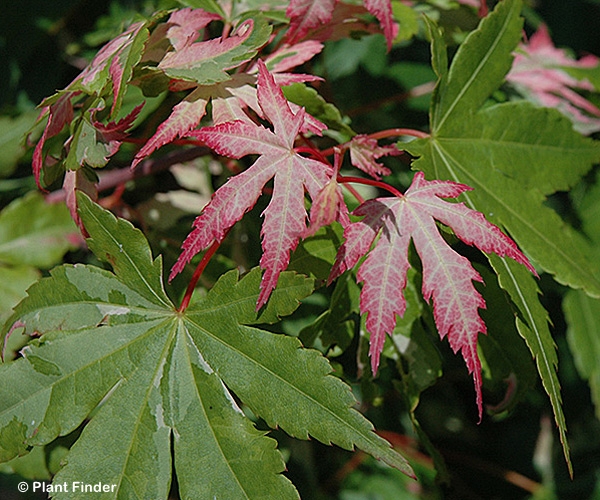
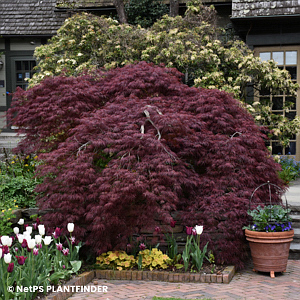
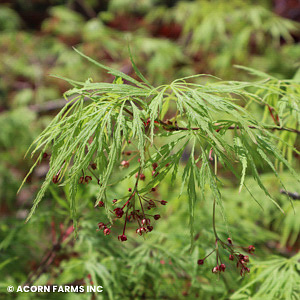
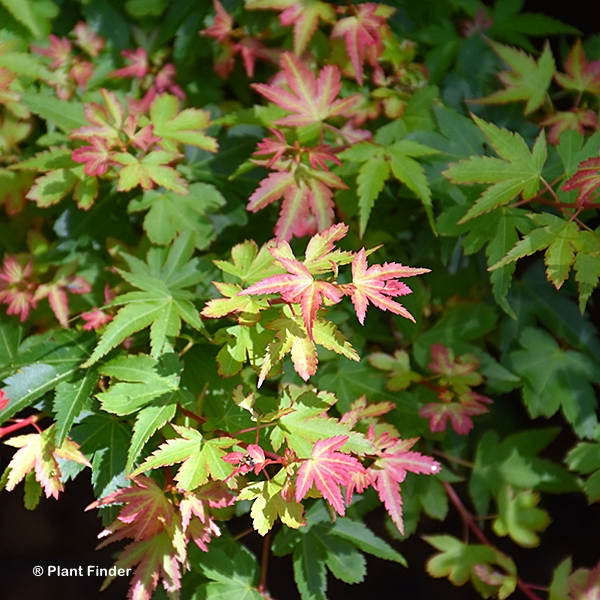
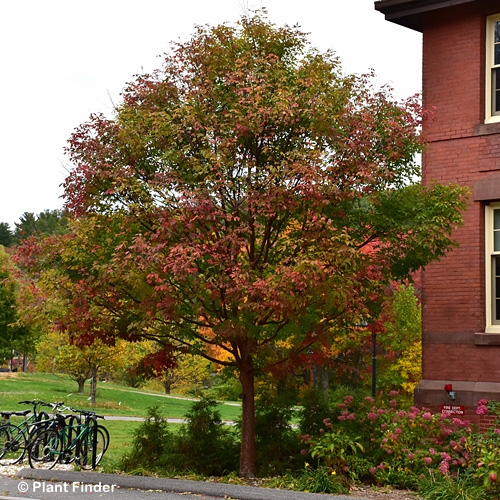
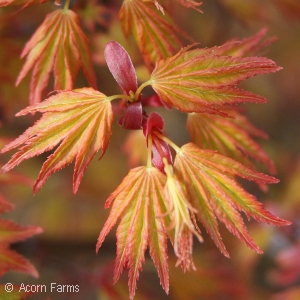
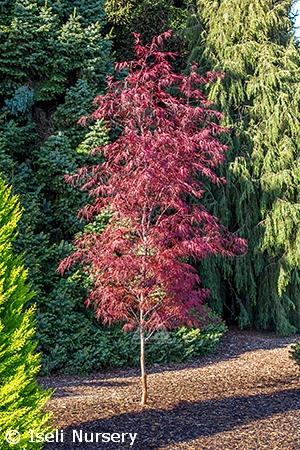
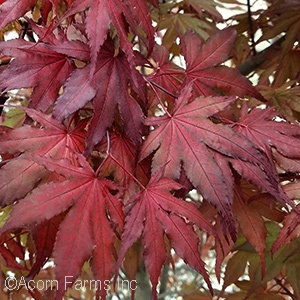
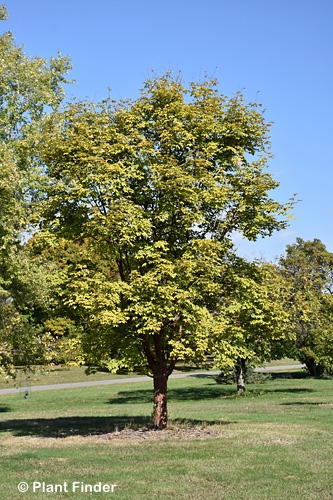
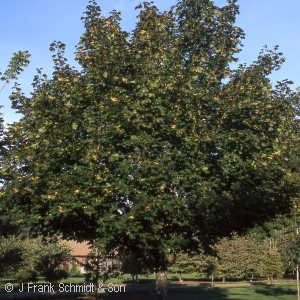
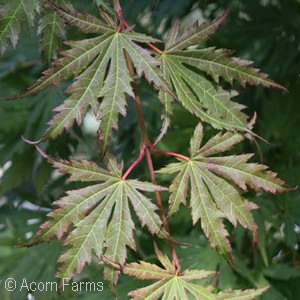
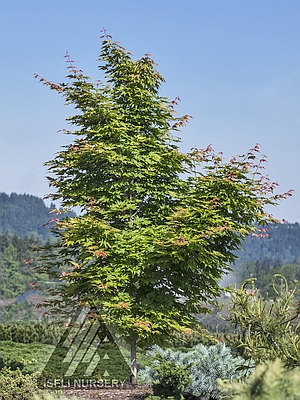
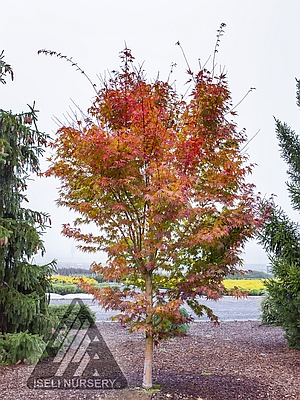
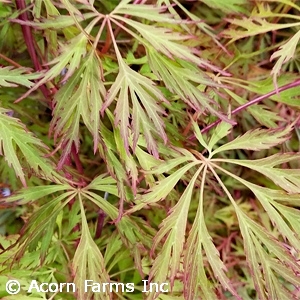
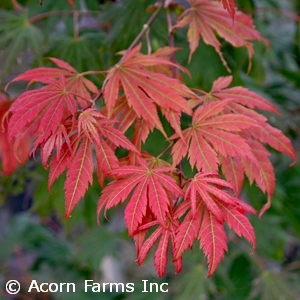
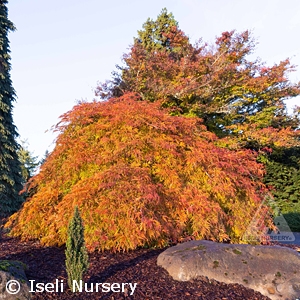
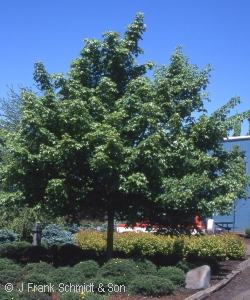
The Tsuma-gaki Japanese Maple is a small, rounded Japanese Maple that is noteworthy for the colors of its emerging leaves. Leaves emerge light yellowish green with red-tipped lobes resembling a hand with nail polish. (tsuma-gaki is Japanese for red nail) Leaves turn green in summer and mature to deep burgundy and then bright crimson in fall.
The Tsuma-gaki thrives in moist, fertile, well-drained soils in part sun. It prefers protection from the hot afternoon. You would be hard-pressed to find a more stunning focal part in the garden.
| PLANT | SIZE | TYPE | GALENA | ADD'L | DIG | SOON |
Current inventory will be listed above this line. This plant will not be in the cart if there is no Galena stock listed. Contact Sales Rep for details. | Click for Availability column key & information.
To help this plant settle in and thrive, we recommend these standard planting practices: Plant in a location with well-draining soil and full sun to partial shade. Water regularly, but avoid overwatering. Mulch around the base to retain moisture and suppress weeds. Fertilize annually with a balanced fertilizer. Prune in late winter or early spring to maintain shape and promote healthy growth.
ALSO AVAILABLE:



★ ON SALE ★